In the context of increasingly deep international integration, Resolution No. 80-NQ/TW of the Politburo on the development of Vietnamese culture (Resolution 80) is seen as a crucial turning point, especially as culture is for the first time placed in an inseparable relationship with the market.
In an interview with a reporter from SGGP newspaper, Dr. Ngo Phuong Lan, Chairwoman of the Vietnam Film Development Association (VFDA), shared that this approach creates a fundamental foundation for the sustainable development of the cultural industry, including cinema.
Without a market, there can be no cultural industry.
Dr. Ngo Phuong Lan, Chairwoman of the Vietnam Film Development Association (VFDA)
- REPORTER: Resolution 80 was issued in the context of Vietnam's accelerated development of the cultural industry. In your opinion, what are the core significance and outstanding new points of the resolution?
- Dr. Ngo Phuong Lan: Resolution 80 demonstrates a clear and consistent approach to cultural development. Culture is placed at the center of social life. Not only is it a spiritual foundation, but culture is also recognized as an important endogenous resource contributing to the sustainable development of the country.
The resolution's new and outstanding feature is its comprehensive and modern approach to cultural development. It approaches culture within the context of development and, for the first time, places culture in a close and inseparable relationship with the economy and the market. Never before has the market aspect of the cultural industry been discussed so clearly as it is now. This is the right direction for development, because without a market, it is impossible to build a cultural industry.
Works of art must be considered special products. These products must be marketable to reach a wide audience. If only the spiritual aspect is emphasized, it will be difficult to reach individual citizens and will diminish the social impact of the work. More importantly, without building a cultural market in general, and a film market in particular, there will be no financial resources to reinvest in production and continue creating new works and products.
Approaching cinema solely as an art form in the traditional sense is insufficient. When defining it as a film industry, it's essential to consider both the spiritual value and the socio-economic impact of the work on the market. This is the key, the new, the modern aspect, and aligns with long-term, sustainable development trends.
- Resolution 80 also emphasizes the role of institutions. As someone who has worked in the film industry for many years, what do you think are the biggest bottlenecks that need to be addressed?
- The resolution contains very new content, emphasizing the role of institutions, policies, human resources, and science and technology in cultural development. This is a prerequisite for removing long-standing bottlenecks, especially in public-private partnerships in the film industry.
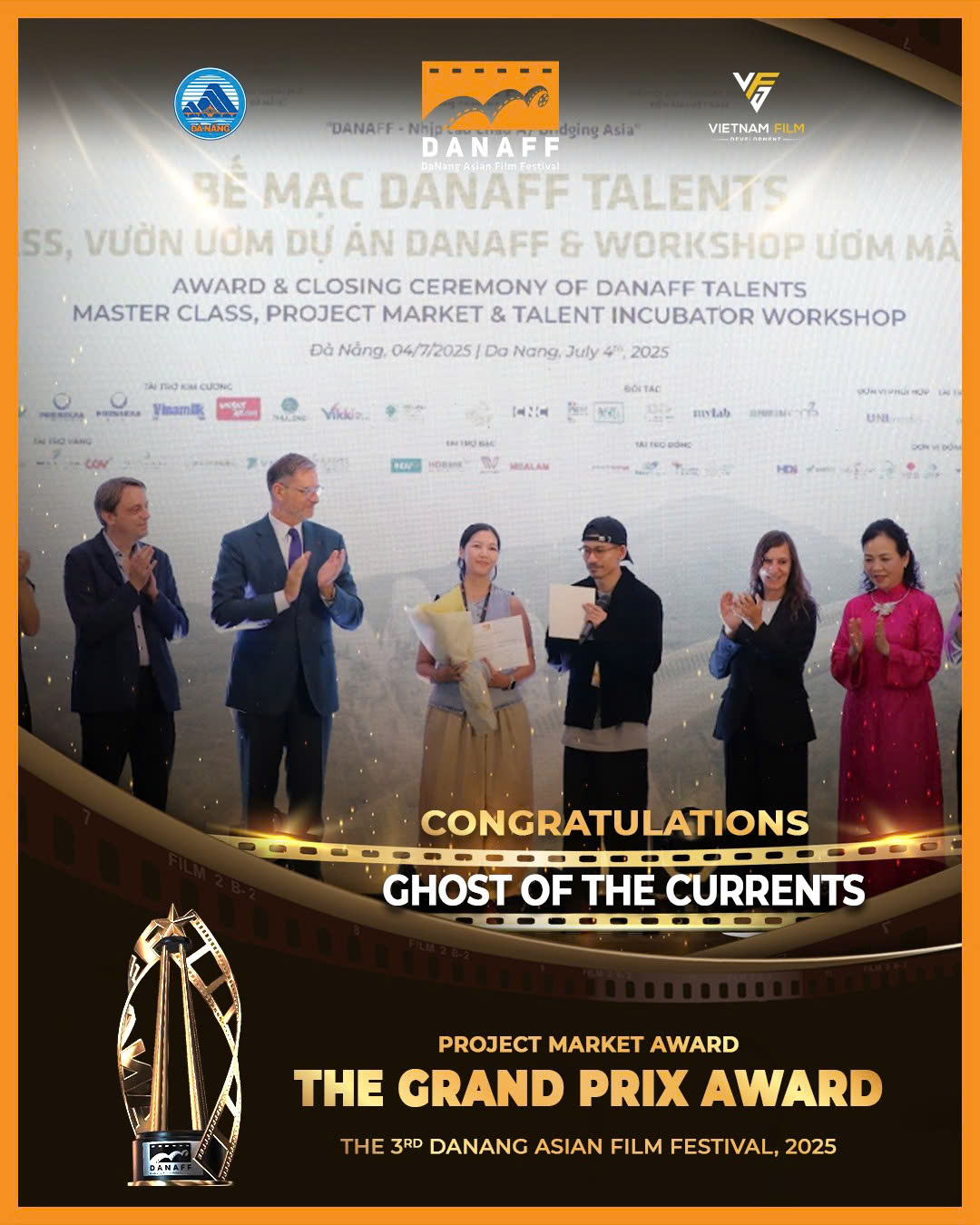
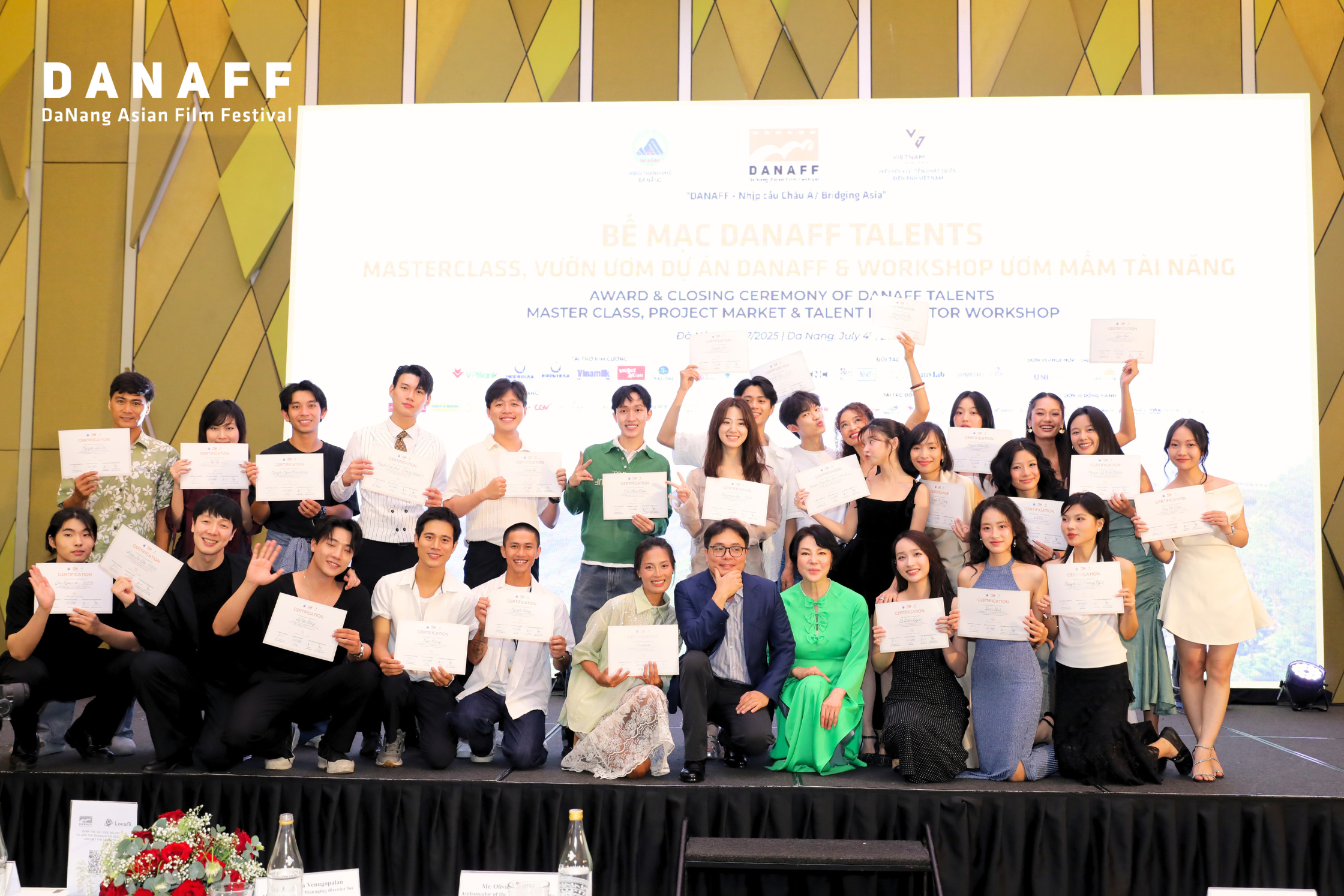
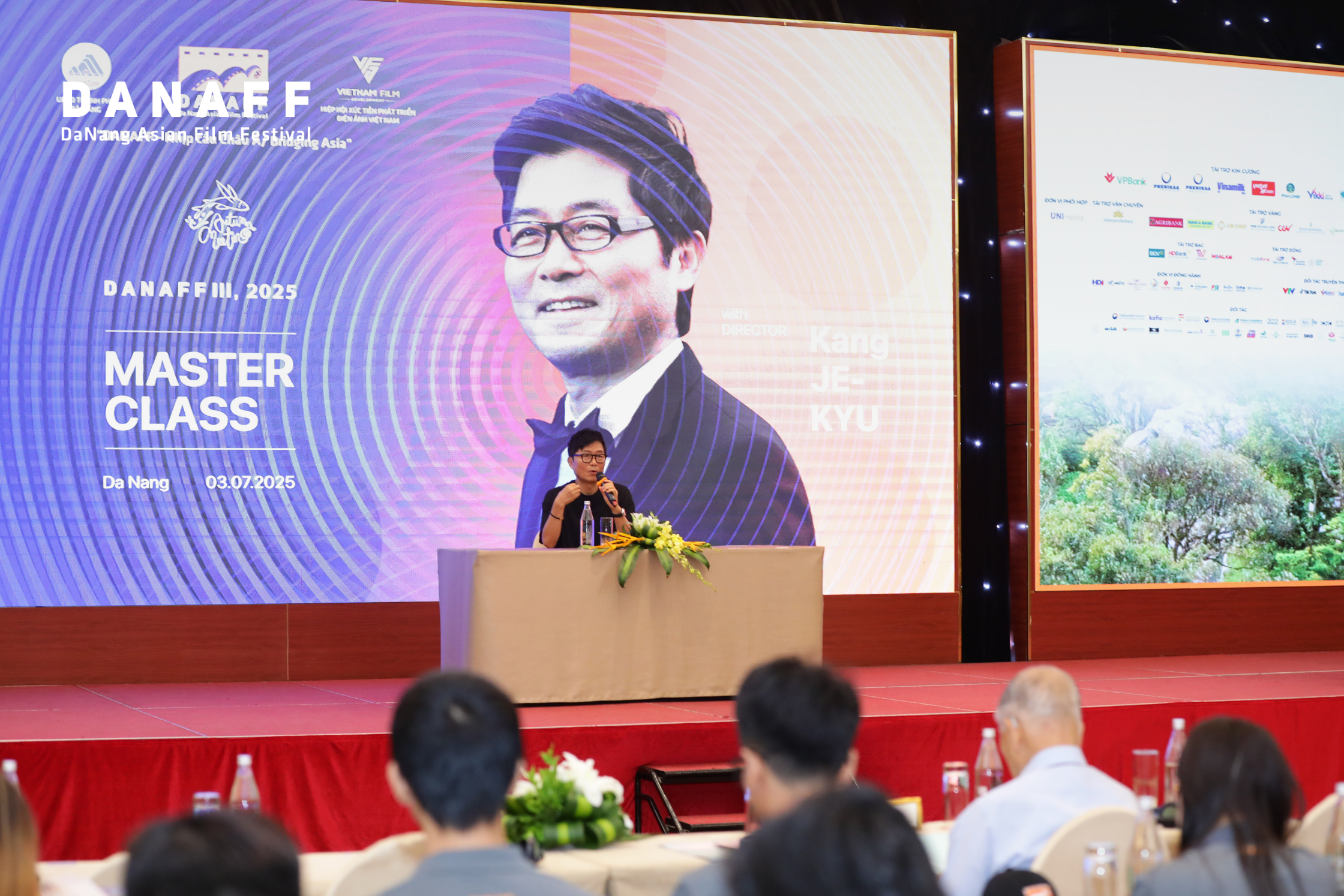
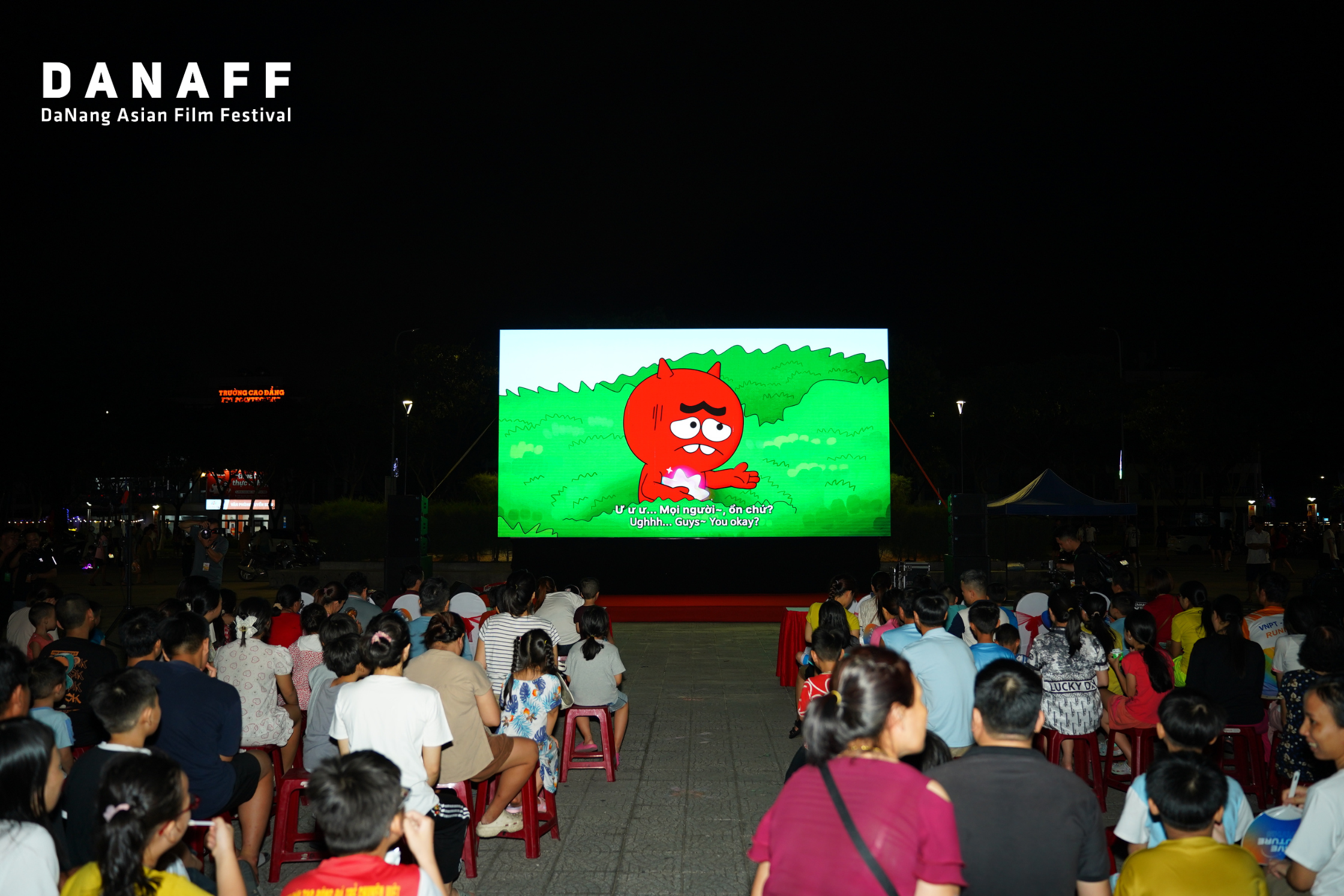
The 3rd Da Nang Asian Film Festival 2025.
For many years, public-private partnerships in film have remained a significant gap, primarily due to a lack of specific and consistent legal mechanisms. Many films funded by the state often face difficulties at the distribution stage because there are no clear regulations on revenue sharing, risk allocation, and responsibility distribution between production companies (receiving state funding) and private distribution businesses. This leads to the paradox that some films, despite being considered high-quality and having a positive social impact, struggle to access the market professionally.
The film "Peach, Pho, and Piano" is a prime example. While it garnered significant public attention and drew audiences to theaters, its distribution was severely restricted due to state funding, with 100% of revenue going to the state budget, whereas the production-distribution split is typically 50-50. In contrast, the film "Red Rain" by the People's Army Film Studio, also entirely state-funded, benefited from a more flexible distribution mechanism, allowing for collaboration with private entities. As a result, the film not only reached a wider audience but also achieved record-breaking revenue, setting a positive precedent for the socialization of distribution. Comparing these two cases reveals that the issue lies not in the nature of state-funded or privately-funded films, but in whether the public-private partnership mechanism is appropriately designed.
Building and positioning a cultural brand requires perseverance and stability.
- Resolution 80 sets the goal of building a national cultural brand as a strategic requirement in the current period. In your opinion, how should this goal be viewed and implemented?
- Resolution 80 sets very specific goals. This is unprecedented in previous resolutions. This clarity provides motivation for cultural workers and socio-professional associations. With clear policies and directions, organizations will have a stronger basis to persistently build branded events.
Building a cultural brand is a long-term process. A brand cannot be formed overnight. It must be maintained consistently and steadily over the years and undergo continuous development. Creating one is difficult, but maintaining it is even more challenging. To become a brand, a cultural event must demonstrate its vitality and value over time.
Resolution 80 not only provides guidance but also sets out a very specific requirement: to perfect the institutional framework so that the public and private sectors can work together throughout the entire value chain of the cultural industry, from production and distribution to promotion and consumption of products.
- Resolution 80 identifies building a national cultural brand as one of the important goals. Based on the practical experience of organizing the Da Nang Asian Film Festival, what are the decisive factors for a cultural event to gradually become a brand?
- The most important thing is to build a unique identity for the event, organize it professionally, regularly, and always with something new for colleagues domestically and internationally, as well as the public, to experience and explore. A cultural brand cannot be formed if the event is not organized regularly, annually, and at the right time. When an event takes place continuously, professionals and the public will develop a habit of waiting, proactively arranging their time, and participating. If it is organized intermittently or only once every two years, it is difficult to create a meeting point and even more difficult to build a brand. In particular, content is a key element in positioning a cultural brand. An event that wants to make an impression must have a highlight and depth.
With the Da Nang Asian Film Festival (DANAFF), we both discover and celebrate new works, respectfully reintroduce valuable cinematic heritage, and place our focus and goals on discovering, training, and supporting young talent. This is the element that creates lasting depth, helping the DANAFF brand in particular and Vietnamese cinema in general to develop sustainably.
DANAFF is positioned as an Asian film festival featuring diverse film industries from around the world, while preserving regional identity and expanding academic and international cooperation opportunities. With a proactive approach to promotion and event organization, after three years we will gradually gain recognition, aligning with the spirit of Resolution 80 on building cultural brands.