War—with all its losses, sacrifices, and the yearning for survival—has always been a major theme in art, especially cinema. Often described as a cinematic "gold mine" but difficult to exploit, war films demand many conditions: from creative thinking and financial investment to the dedication and commitment of the artists.
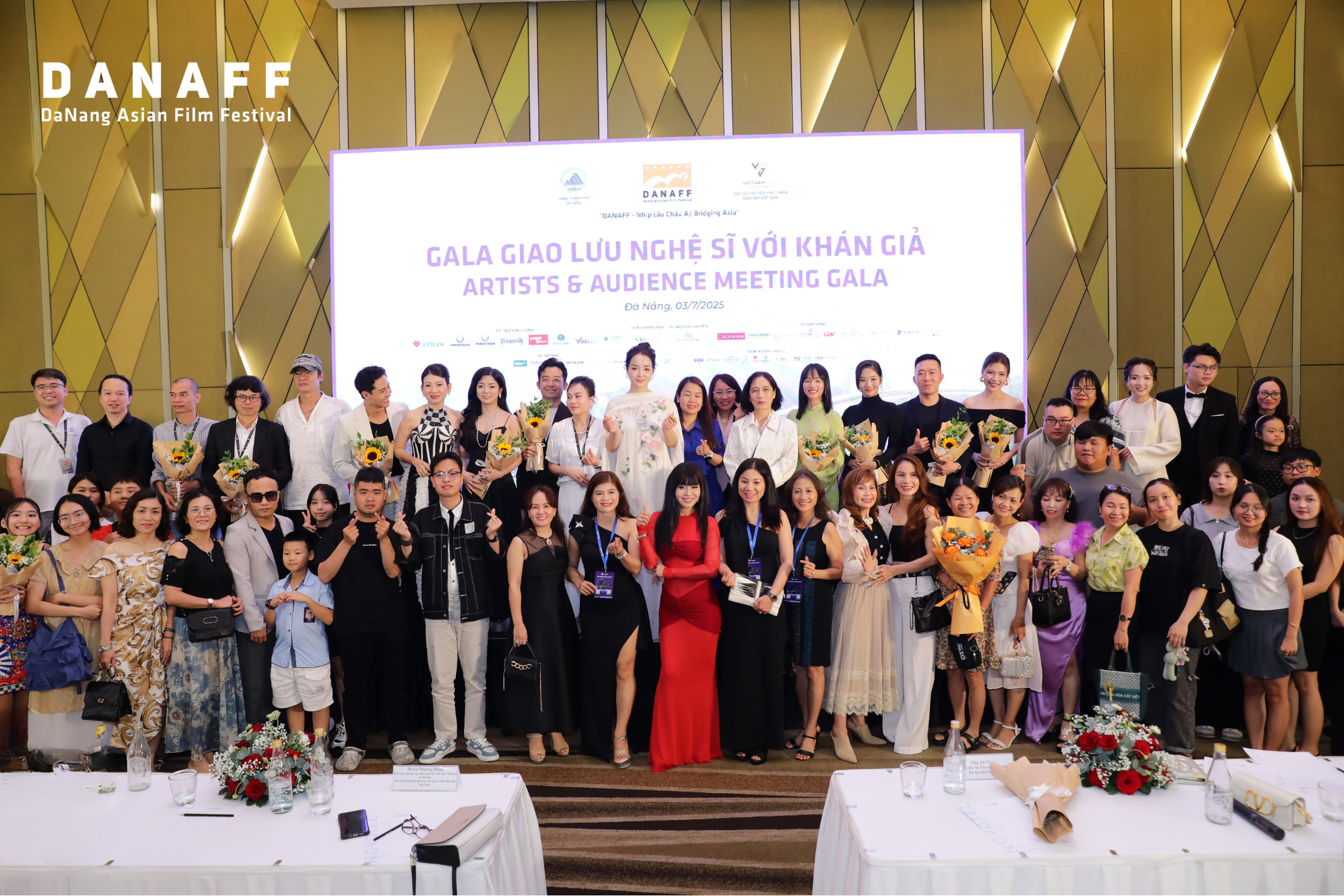
This was also a hot topic at the 3rd Da Nang Asian Film Festival with the seminar "The Legacy of Vietnamese War Films since the national reunification (April 30, 1975 - April 30, 2025)".
A scene from the film "Tunnels: The Sun in the Dark".
Diverse perspectives on the mega-topic of war
The period from 1986 to the late 1990s is considered a period of strong development for war films, with many works leaving a deep impression such as "Dong Loc Junction," " Hanoi in the Winter of 1946," and "Life in the Sand"... While films produced during the resistance war against the US often had a propaganda nature, glorifying heroism, in the period of reform, war was depicted from a more multifaceted and humane perspective.
The image of the soldier is portrayed more concretely – not just as a fighter on the battlefield, but also as a father, husband, and son in the family. They appear with a full range of emotions, inner conflicts, and life-or-death choices in unique circumstances. From "Wild Field: Free fire zone", "The Girl on the River" to later films such as "The Legend Makers," "Don't Burn"... these films have opened the way for dialogues about human destiny and humanity in war, while contributing to preserving the nation's spiritual heritage through vivid and moving stories.
Director and Meritorious Artist Bui Tuan Dung - the author of the film "The Legend Makers" - emphasized: "The true value of a war film lies in three elements: content value - that is, a truthful, profound, and captivating story; artistic value - the creative achievement of the film crew; and emotion - the crystallization of the work's ideas and message. A film should not only tell stories of fighting, but must delve into life, into sacrifice or cowardice, into the personal choices of the characters, thereby portraying the self and fate of people amidst war."
One of the prominent trends in modern war films is the portrayal of women – not just as those on the home front, but as symbols of silent sacrifice, unwavering beauty, and humanity. Director and Meritorious Artist Le Hoang cites the film "The Survivors of the Laughing Forest," in which young female volunteers die while bathing in a stream after an ambush. Although this segment has been controversial for being considered romanticized, he argues that it is precisely this innocence that reveals the brutality of war.
Similarly, the image of the sleepwalking woman in director Nguyen Thanh Van's film of the same name is a haunting metaphor for the pain and loss left behind by war. In "The White Silk Dress," actress Truong Ngoc Anh plays a mother who witnesses the sacrifices during wartime. Their immense loss and extraordinary endurance simultaneously affirm the resilience and fortitude of Vietnamese women. "I believe in the power of cinema, that it can preserve the images of these women after the war, so that they are not forgotten," she shared.
We really need a spirit of commitment.
Everyone knows that making war films is difficult, arduous, and incredibly expensive. But that's precisely what demands dedication from those involved. In the context of limited state budgets, the participation of private filmmakers is opening up new hope for this genre.
Screenwriter Trinh Thanh Nha believes that it is the nationalistic spirit that has led many investors to bravely "enter this risky game." A prime example is the case of the films "The Heroic Bloodline" and "The White Silk Dress"—both produced primarily with funding from the director's family and the contributions of many individuals. According to her, most privately-funded war film projects undergo a lengthy scriptwriting process, requiring multiple rounds of review, audience taste assessment, market trends, and technological solutions. It is thanks to this review process that the scripts often achieve logic, appeal, and philosophical depth. However, a good script does not guarantee box office success. "The Heroic Bloodline" and "The White Silk Dress" both failed to achieve the expected economic results—partly due to unfavorable release timing and partly due to a lack of objective editing. Meanwhile, the film "Tunnels: The Sun in the Dark" was luckier to be released at the right time, although it only barely broke even. Nevertheless, all three works opened up a different storytelling approach, offering audiences a fresh aesthetic experience that broke away from the traditional mold of "state-produced films."
“The heroic figures become more relatable and real. The ordinary lives of people struggling through the flames of war evoke deeper empathy in viewers for the sacrifices our ancestors made for independence and freedom. Therefore, the war films made by private filmmakers need to be properly rewarded so that we can have more compelling films about our national history,” screenwriter Trinh Thanh Nha expressed.