Closely adhering to the spirit of Resolution No. 80-NQ/TW, proactive international integration is recognized as an essential requirement. Accordingly, the Vietnam Film Development Association (VFDA) has implemented film promotion activities aligned with the Resolution, while setting clear orientations to further translate its policy directions into concrete actions in the coming period.
Within the broader landscape of modern economic development, cultural industries are increasingly regarded as a new engine of growth—where creativity, cultural identity, and the market converge to generate long-term economic value. Cinema, by its very nature linking art, technology, and services, has emerged as one of the most far-reaching sectors. Each film is not only a cultural product but also a catalyst for a broad value chain encompassing tourism, media, post-production, creative human resources, logistics, and international investment. In this context, the establishment of a professional, coordinated, and internationally integrated promotion mechanism has become an inevitable requirement.
Resolution No. 80-NQ/TW: Cinema within the Strategy for Cultural Industry Development
Issued by the Politburo on January 7, 2026, Resolution No. 80-NQ/TW affirms culture as both a spiritual foundation and a vital endogenous resource, as well as a driving force for the country’s sustainable development, closely linked to the economy, the market, and international integration. For the first time, culture is positioned on an equal footing with the economy, politics, and society within the overall national development strategy. This marks the opening of a coherent policy corridor for Vietnamese culture—including cinema—to develop more robustly.
A notable new aspect of the Resolution is its recognition of cultural industries—of which cinema is a key component—as a source of economic value creation and a contributor to enhancing national “soft power.” The Resolution sets the target for cultural industries to contribute approximately 7% of GDP by 2030 and 9% by 2045, while shaping a future Vietnamese culture that is advanced, deeply rooted in national identity, and internationally competitive.
Transfer the Resolution No. 80 into practical solutions for the cinema
When discussing culture and cultural industries—including cinema—the market must be addressed. Without a market, it is impossible to build a cultural industry. This is particularly evident in the field of cinema. Vietnam’s film market is currently experiencing very rapid growth, especially in recent years and notably in 2025, when the expanding market share of domestic films has generated strong public enthusiasm and clearly demonstrated the endogenous strength of Vietnamese cinema.
Resolution No. 80-NQ/TW emphasizes the role of institutions, policies, and resources for cultural development, as well as science and technology, thereby creating the conditions to remove long-standing bottlenecks in the sector. However, to develop culture in tandem with cultural industries and the market, appropriate public–private partnership mechanisms—aligned with the principles of sustainable development—are essential. At present, public–private cooperation remains a key bottleneck in cultural development, most visibly in the film sector, particularly in the relationships between distributors, cinema exhibitors, and film producers.
In recent years, especially in 2025, the growth of domestic film market share has not only energized audiences but also reaffirmed the internal vitality of Vietnamese cinema.
Dr. Ngo Phuong Lan, Chairwoman of the Vietnam Film Development Association (VFDA), emphasized that Resolution No. 80 provides a long-term strategic vision for culture in general and cinema in particular. Notably, it is the first time culture has been placed in a close and organic relationship with the economy, the market, and cultural industries.
She stated: “Resolution No. 80-NQ/TW situates cultural development within the context of international integration, specifically, proactive integration. Without proactiveness, it is impossible to seize opportunities for cooperation, to convincingly introduce Vietnam’s country and people in general, and Vietnamese cinema in particular, to the world, as well as to bring the essence of global culture and cinema to Vietnamese audiences. Proactiveness is critically important.”
VFDA’s proactive integration and film promotion in alignment with the Resolution
With Resolution No. 80 opening a coherent policy corridor for cultural development, the Vietnam Film Development Association (VFDA) defines its role as a proactive socio-professional organization participating in film promotion, in line with the orientation of the Resolution.
In practice, since its establishment and particularly throughout 2025 VFDA has consistently pursued this orientation, implementing numerous initiatives aligned with the spirit of proactive integration, market-oriented cinema, and sustainable development.
VFDA has actively worked with provinces and local authorities to establish mechanisms for on-site film development cooperation, viewing localities as integral links within the film ecosystem. A notable example is the cooperation agreement on film development signed between VFDA and Ninh Binh Province in October 2024, which laid the groundwork for attracting film projects, utilizing filming locations, and developing film-related services linked to tourism and the local economy. The film project Guardian Spirit of the Valiant Warrior – The Mystery of King Dinh’s Tomb, which was produced and wrapped in Ninh Binh, stands as a concrete example of this cooperation model.
At the same time, VFDA has proactively sought opportunities for international cooperation and integration, ensuring Vietnam’s cinema has a structured and visible presence at prestigious international film festivals. In recent years, VFDA has participated in and organized a wide range of promotion activities at major festivals such as the Busan International Film Festival, Tokyo International Film Festival, and Cannes Film Festival, through diverse formats including thematic seminars, Vietnam Night events, and national promotion booths at project markets. In addition, VFDA has proactively organized Vietnamese Film Week in Paris (France), contributing not only to the promotion of Vietnamese cinema but also to showcasing Vietnam’s image, people, and distinctive filming locations.
Vietnam Pavilion organized by VFDA at TIFFCOM in the framework of the 38th Tokyo International Film Festival (TIFF 2025)Vietnam Night organized by VFDA in the framework of the 30th Busan International Film Festival (BIFF 2025)The seminar: "The heartbeat of Vietnam Cinema - Introduction of promising projects" organized by VFDA in the framework of the 30th Busan International Film Festival (BIFF 2025)The "Vietnam Film Week - The Journey of Light" in Paris (France) organized by VFDA & AVSE Global, under the patronage of the Embassy of Vietnam in France, attracted more than 6,000 attendees.
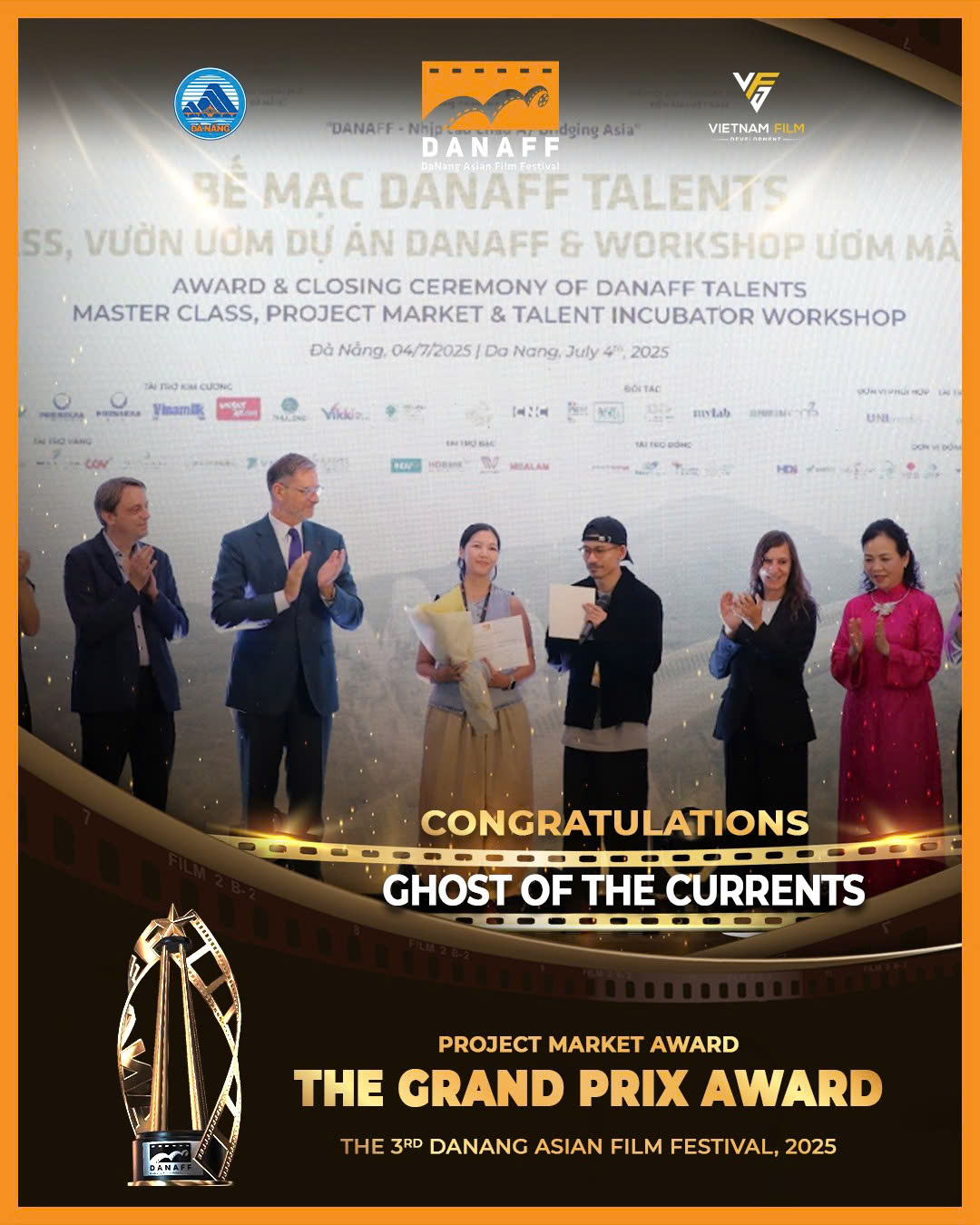
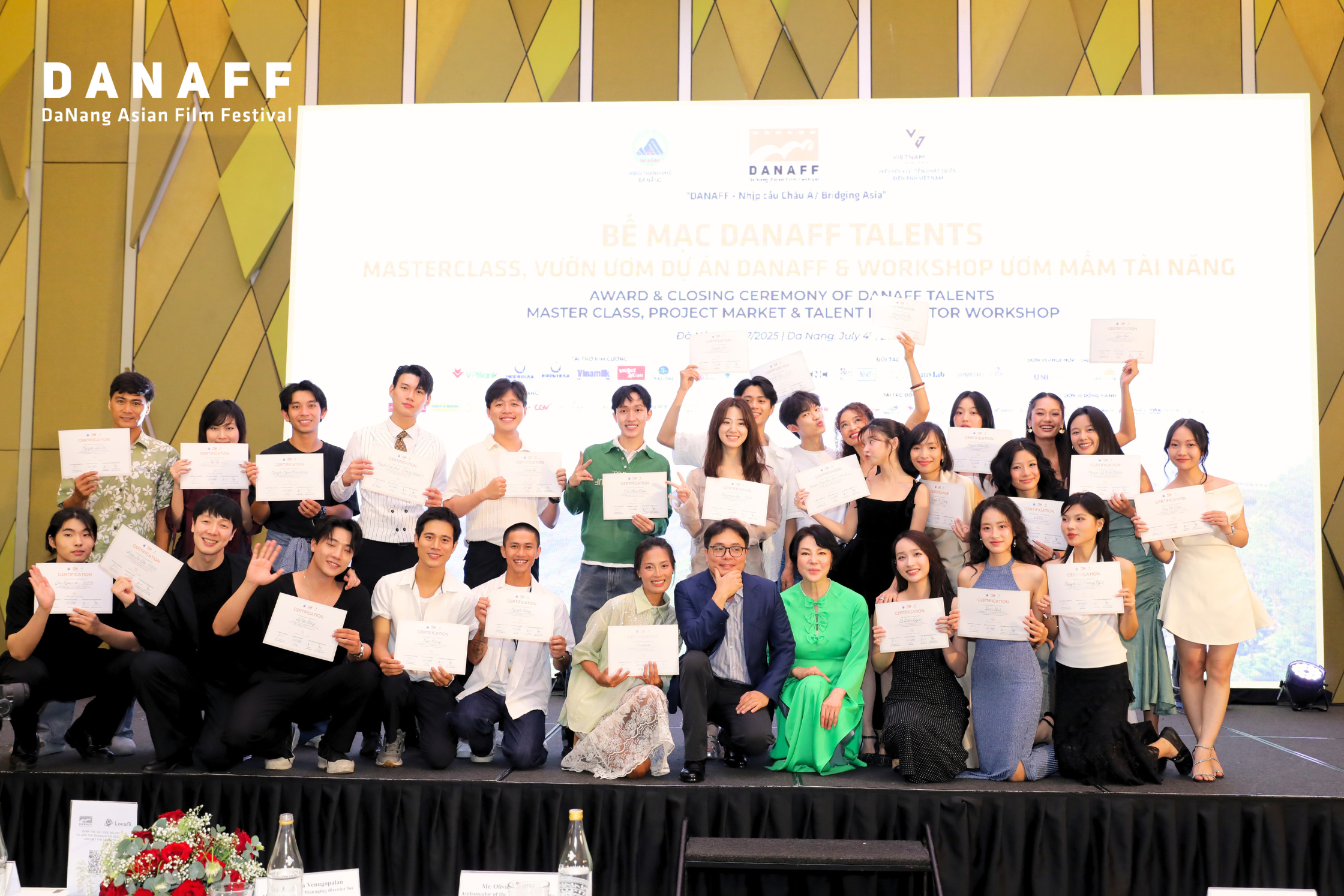
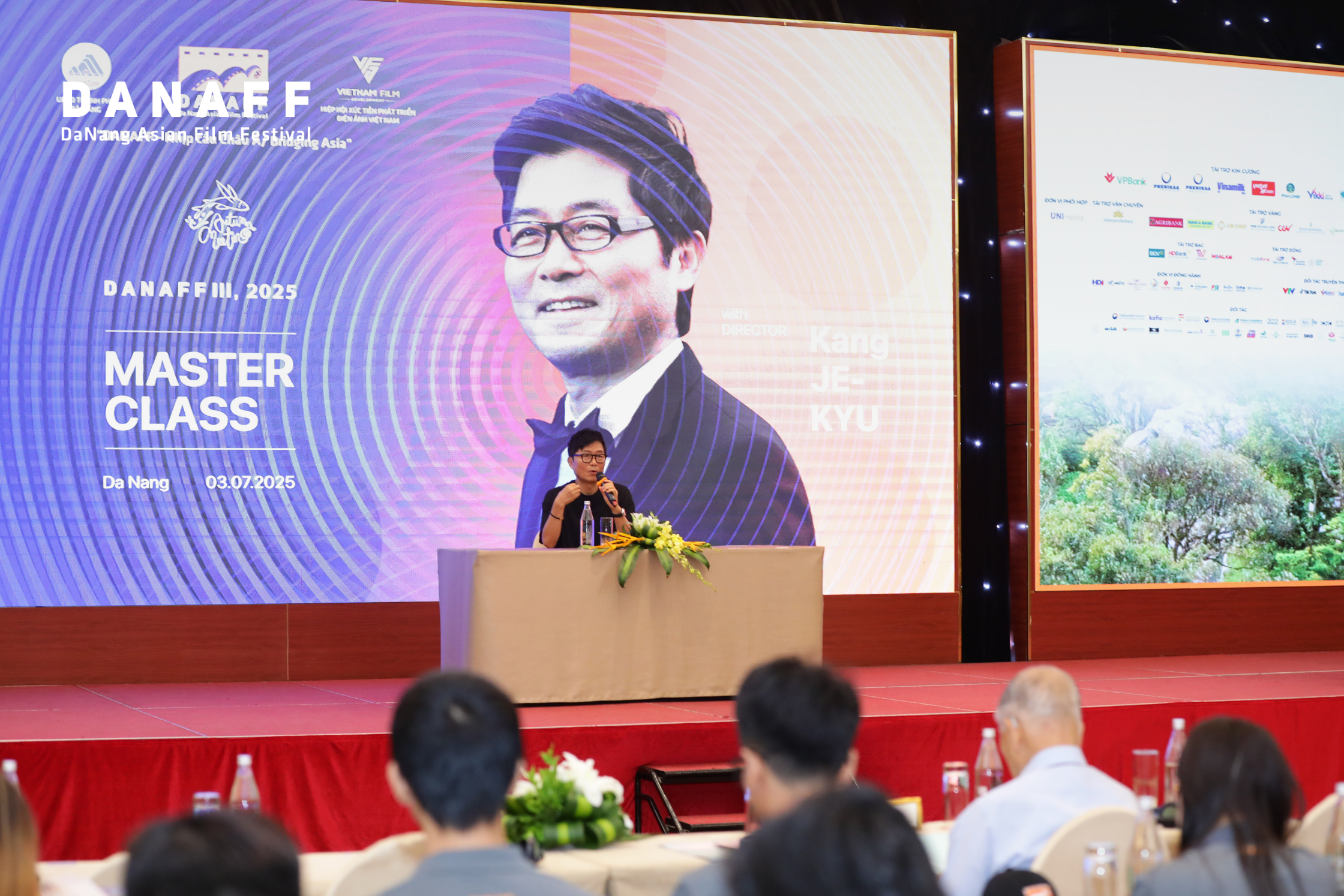
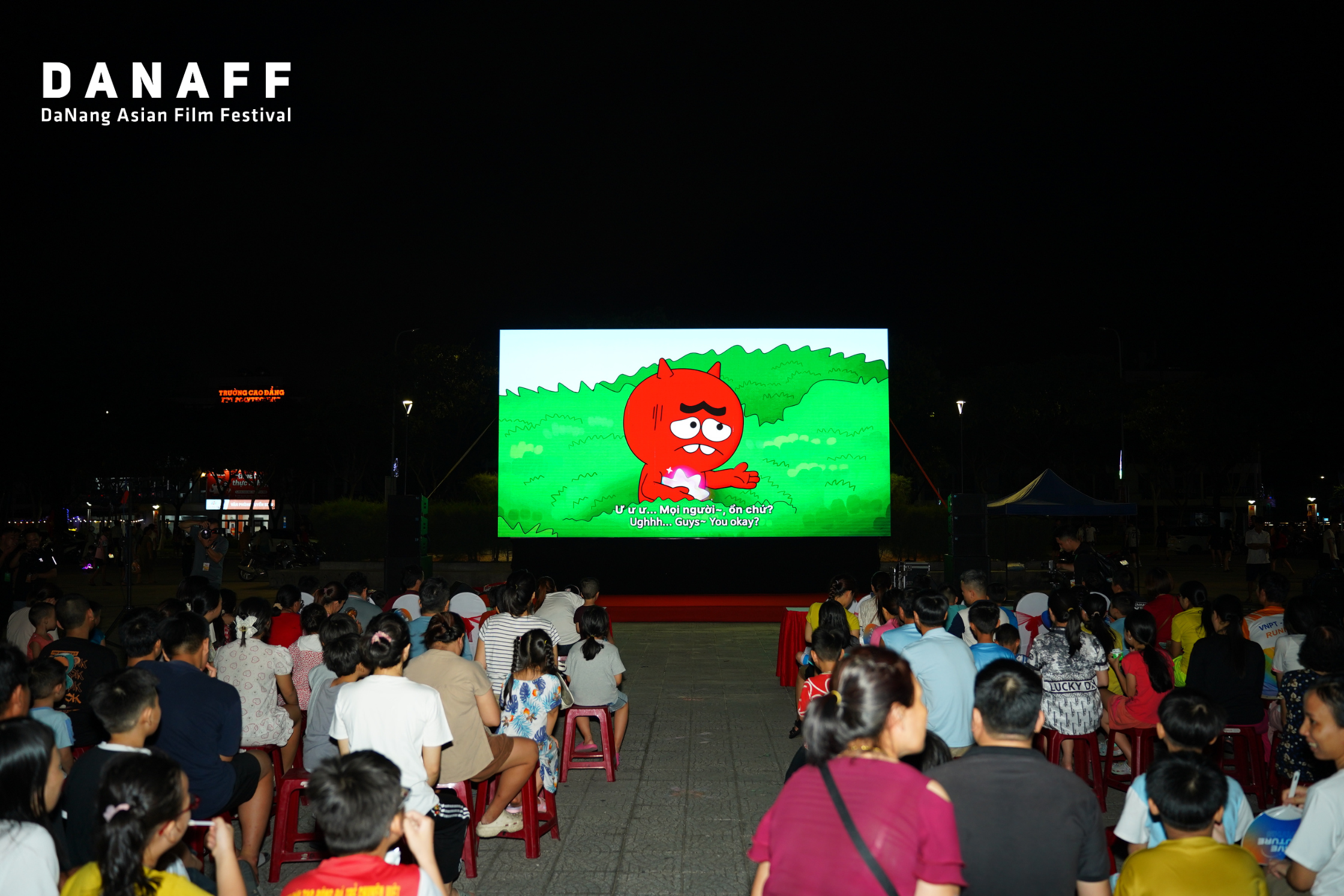
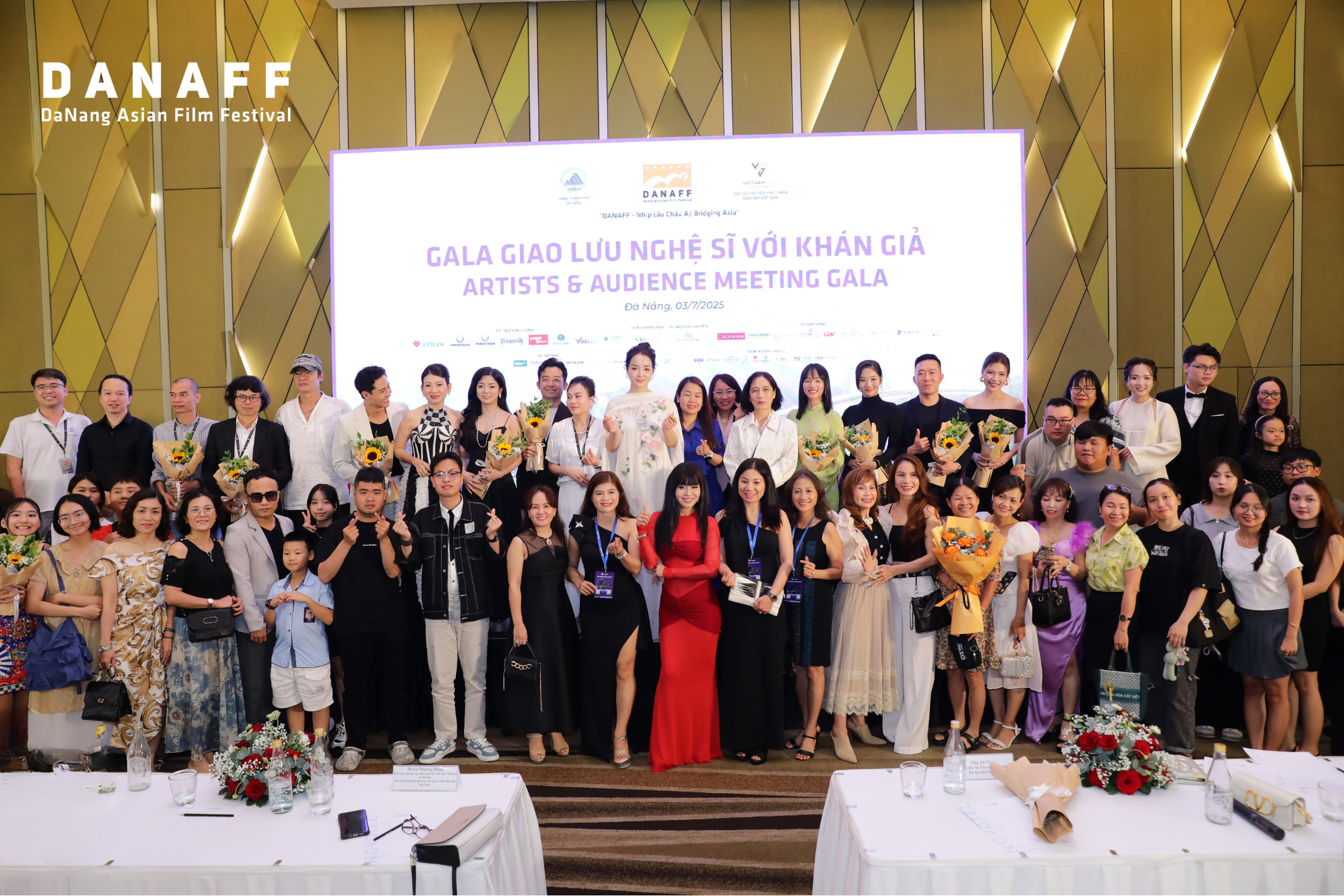
Domestically, the Da Nang Asian Film Festival (DANAFF) has been identified by VFDA as an Asian bridge—bringing Vietnamese cinema to the world while simultaneously introducing world cinema to Vietnam. Through film screenings, project markets, seminars, and talent training programs, DANAFF helps create a professional exchange environment, foster international connections, and enhance the standing of Vietnamese cinema within the Asian region.
The 3rd Da Nang Asian Film Festival 2025 - DANAFF III
These activities demonstrate how VFDA is translating the spirit of Resolution No. 80 into concrete action: using promotion as a tool, cooperation as a method, and international integration as a driving force. In the coming period, in line with the orientation of Resolution No. 80 and as shared by Dr. Ngo Phuong Lan, VFDA will continue to expand cooperation with localities, strengthen its presence at international film festivals and project markets, and further develop promotion, training, and networking programs—aiming to elevate Vietnamese cinema to its rightful position within the national cultural industry ecosystem.