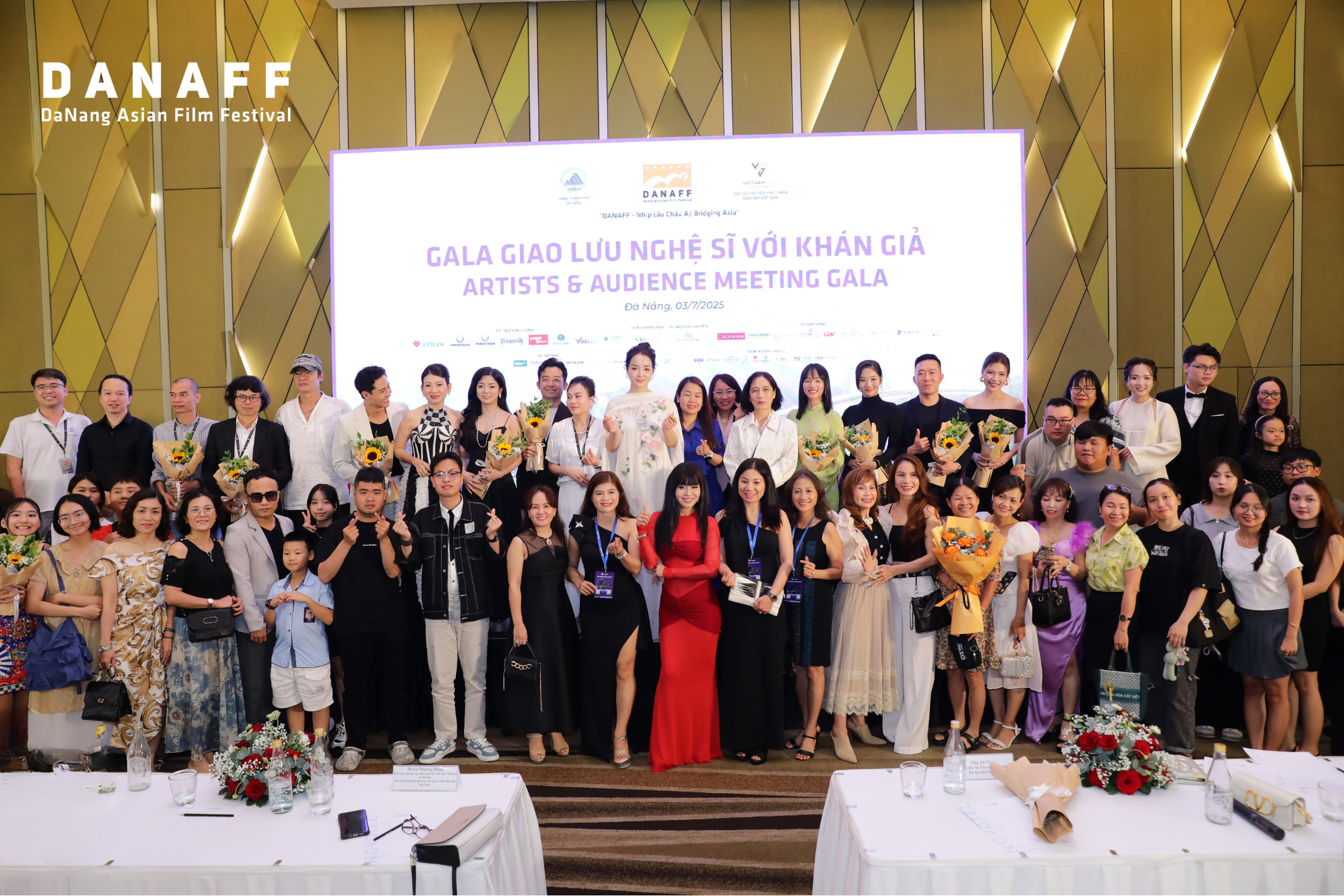
Vietnamese cinema is entering a period of increasingly clear differentiation. Alongside box-office hits grossing hundreds of billions of VND, there remains a significant number of films that underperform, leave theaters quickly, and struggle to create long-term impact. This reality underscores the urgent need for structured training and support platforms that can elevate the industry’s development in a long-term, sustainable manner, gradually narrowing existing gaps and disparities.
Seeking Opportunities and Learning through Project Markets
In the journey of bringing a film project to production, Vietnamese filmmakers—particularly directors and producers often have to independently navigate access to international project markets, film funds, and major film festivals worldwide. These professional spaces allow projects to be pitched, critiqued, and connected with investors, producers, and distributors.
In practice, however, most filmmakers must rely largely on their own resources when participating in such platforms. Preparing scripts, project dossiers, production and distribution strategies, alongside travel and accommodation cost, requires considerable financial and logistical capacity. For many young talents, these barriers limit their projects’ ability to move forward, even when the creative ideas themselves show strong potential.
Beyond financial constraints, gaps in project development skills, experience working in international professional environments, and access to long-term mentorship networks often cause many projects to stall at the idea stage, lacking the momentum needed to enter professional production. This reality highlights the pressing need for domestic training and support ecosystems that can strengthen the professional capacity of Vietnam’s next generation of filmmakers before they step onto the international stage.
A comprehensive strategy for building a practical training ecosystem
Experience shows that Vietnamese cinema is not lacking in talent, but rather in environments where talent can be systematically nurtured, challenged, and developed. Young filmmakers need learning, practice, and networking spaces within the country to build solid professional foundations before advancing further in the industry.
Responding to this need, DANAFF Talents was established as a talent support and training program within the framework of the Da Nang Asian Film Festival. DANAFF Talents is designed as a practical training ecosystem comprising three core components: the Talents Incubator Workshop, the Workshop & Project Market, and Masterclass.
The Talents Incubator Workshop has recorded more than 200 graduates, many of whom have quickly made their mark by participating in major film projects, including Do Nhat Hoang, Nguyen Hung, Khasak Thanh Nhi, Juliet Bao Ngoc, and Ngoc Xuan... Notably, some participants have returned to the workshop even after achieving successful roles and receiving recognition at international film festivals, most prominently Juliet Bao Ngoc (Glorious Ashes). This demonstrates the program’s practical depth, where learning is understood not as a starting point, but as a continuous process.
Actor Do Nhat Hoang – Advanced Acting Class, Talents Incubator Workshop, DANAFF III (2025)Actor Nguyen Hung – Basic Acting Class, Talents Incubator Workshop, DANAFF III (2025)Actor Juliet Bao Ngoc – Advanced Acting Class, Talents Incubator Workshop, DANAFF III (2025)
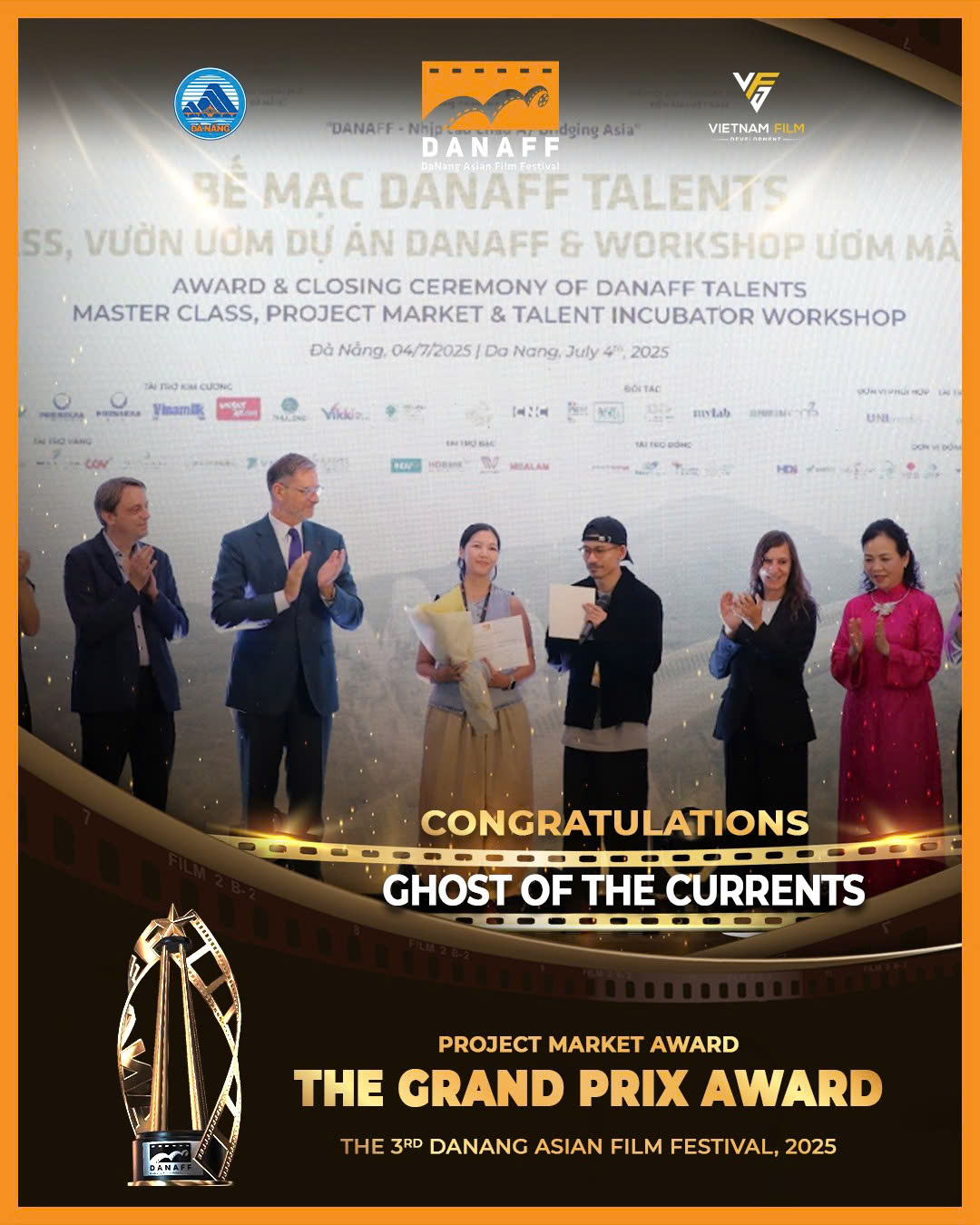
Meanwhile, the Workshop & Project Market, though only in its first edition, has already attracted 14 outstanding projects selected through a competitive process. These projects have worked directly with mentors, instructors, and juries from diverse cinematic backgrounds. Notably, several projects received development grants from internationally respected organizations such as CNC, MPA, and mylab. Among them, two projects are currently preparing for theatrical release, while the remaining projects continue to be presented at international film festivals and project markets—opening long-term development pathways for Vietnamese cinema.
The project Flying Cows received an award from MPA at DANAFF III and is currently in production.The project A Little dream of me has completed production and is scheduled for theatrical release in February 2026
Structured training as the foundation for a new cinematic generation
At the panel discussion “Identifying and nurturing cinema talent: International Experiences and Vietnam's proposed solutions”, held within DANAFF III, Tony Bui—filmmaker and lecturer at Columbia University emphasized the importance of systematic training and talent development programs, rather than relying solely on notions of “raw talent.”
Tony Bui – filmmaker and Columbia University lecturer, speaking at the panel discussion within DANAFF III
According to Tony Bui, sustainable cinema is not built on isolated individuals, but on structured training models where talent is sharpened through practice, critical feedback, and professional working environments. He noted that by learning from and adapting reputable international models such as Sundance Labs, Vietnam can fully nurture a new generation of filmmakers capable of creative excellence and international integration.
Improving quality from the ground up
From international project markets to domestic training models such as DANAFF Talents, a clear direction emerges: elevating the quality of Vietnamese cinema must begin with people and the project development process. When young filmmakers receive structured support from the earliest stages: idea development, scriptwriting, through to production, the divide between commercial and art-house cinema can gradually be narrowed by genuine quality, rather than market chance.
As Vietnamese cinema seeks long-term growth, investment in training and support programs for young talent is not merely a short-term solution, but a fundamental foundation for building a sustainable and resilient film industry.