The Korean drama “Can This Love Be Translated?” has attracted wide attention, with scenes filmed across Italy, Canada, Japan and the Republic of Korea, alongside the brief appearance of images of Vietnam, which has delighted Vietnamese viewers.
Within three days of its release, the drama rose to the top of viewing charts in eight countries and territories, including the Republic of Korea and Vietnam. According to FlixPatrol data on January 19, it entered the top 10 in 76 countries, marking a sharp increase in both its global ranking and the number of markets where it gained traction.
What particularly caught the attention of Vietnamese audiences was a short sequence at the end of episode one, when the character Cha Mu Hee (played by Go Youn Jung) awakens after months in a coma. Images of Vietnam appear briefly in this montage, and despite lasting only a few seconds, the familiar visuals were quickly recognised and widely shared on social media.
In recent years, Vietnam has increasingly featured in Korean films and music videos. In November 2025, the film As You Stood By selected Hoi An and Da Nang as filming locations, while the music video One More Time by Allday Project drew attention for its distinctly Vietnamese settings and everyday details.
Can This Love Be Translated? is a romantic comedy centred on Joo Ho Jin (Kim Seon Ho), a gifted multilingual interpreter, and Cha Mu Hee, a global star. Their relationship gradually develops during the filming of a reality dating programme, with scenes set in several countries.
Beyond its romantic storyline, the drama stands out for its exploration of interpretation and communication, where small misunderstandings in translation become catalysts for emotional connection. The film has received strong positive feedback, with viewers in particular praising the on-screen chemistry between Kim Seon Ho and Go Youn Jung, placing it among the most discussed Korean dramas currently on air.
Attracting Film Crews to Vietnamese Filming Locations
From a practical perspective, attracting international film crews to shoot on location has proven to be an effective model for boosting tourism growth, developing the creative economy, and promoting culture in a sustainable manner. When natural landscapes, heritage sites, and urban settings appear in globally distributed films and television productions, destination images are remembered through emotion and storytelling rather than short-term advertising messages.
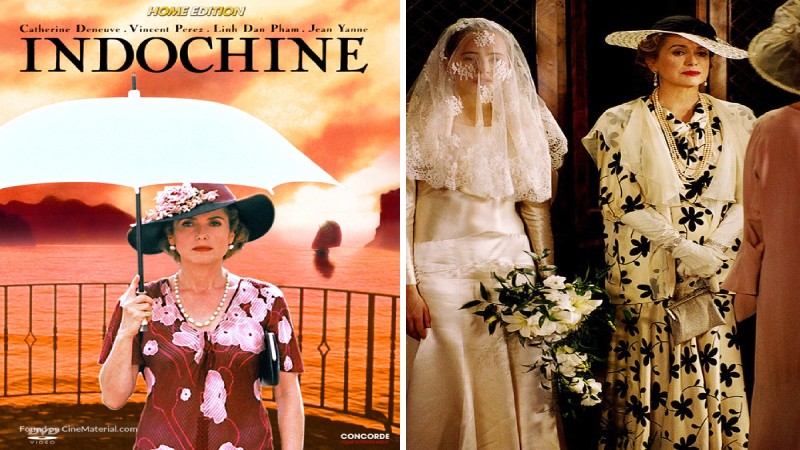
In Viet Nam, a notable example is Kong: Skull Island, which was filmed in Ninh Binh, Quang Binh, and Quang Ninh. Following the film’s release, destinations such as Trang An and Phong Nha – Ke Bang recorded a marked increase in international visitors, leading to the development of film-themed tours and stimulating growth in accommodation, services, and local employment. Earlier films such as Indochine and L’Amant also helped introduce Viet Nam to European audiences, demonstrating cinema’s capacity to generate long-term tourism and economic value well beyond a film’s theatrical lifecycle.
Recognizing the mutually reinforcing relationship between cinema and tourism, the Vietnam Film Development Association (VFDA) has proactively developed the Production Attraction Index (PAI) to encourage localities to enhance their capacity to support domestic and international film crews. The PAI evaluates five core dimensions: comprehensive legal support, administrative facilitation, logistical coordination, cultural bridging, and film industry development.
Alongside the development of the index, the Vietnam Film Development Association (VFDA) has worked closely with local authorities to proactively promote Vietnamese filming locations at major international film festivals and industry events, notably the Cannes Film Festival, the Busan International Film Festival, and the Tokyo International Film Festival. Through dedicated vietnam pavilion at Film market, seminars, and matchmaking sessions connecting producers, directors, and local authorities, images of Viet Nam’s filming locations are gradually being positioned on the selection map of international film crews.
This approach reflects a long-term strategic orientation: cinema is not only an artistic endeavor, but also a strategic instrument to drive tourism, support local economies, and promote Vietnamese culture globally—an approach that Viet Nam is steadily realizing through policy alignment, data-driven tools, and concrete actions.